
The Next Leap in Senior Health Monitoring With
Cutting-Edge Technology
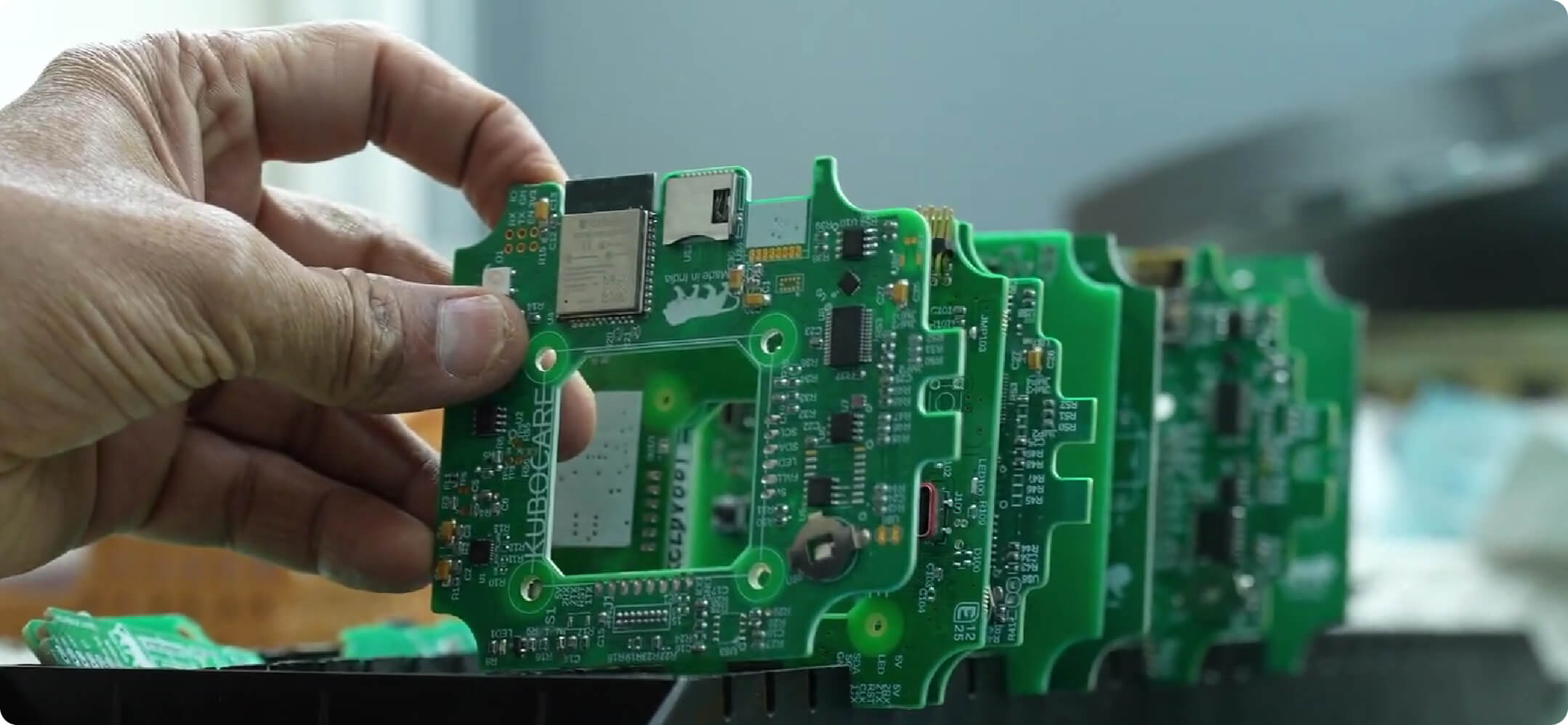
Our Vision
To make proactive, respectful care possible for every senior, without compromising their privacy or independence.
Founder Story
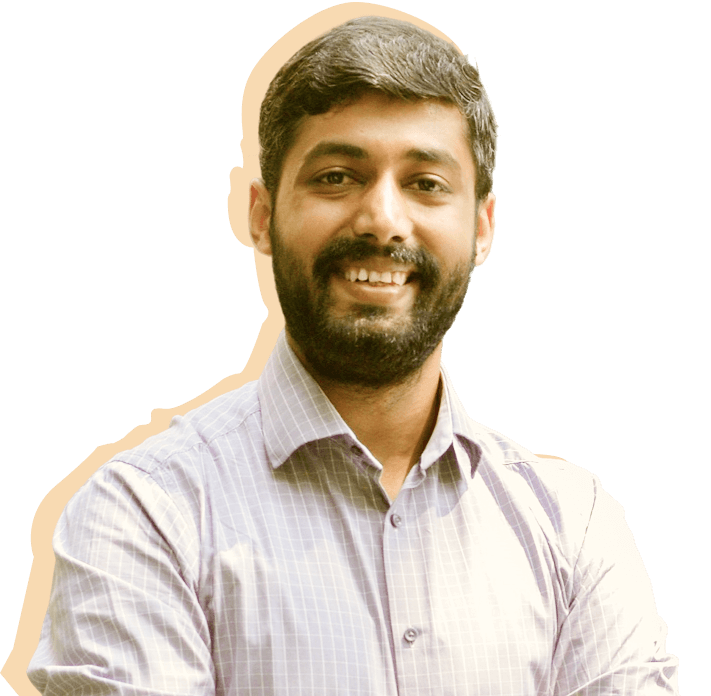
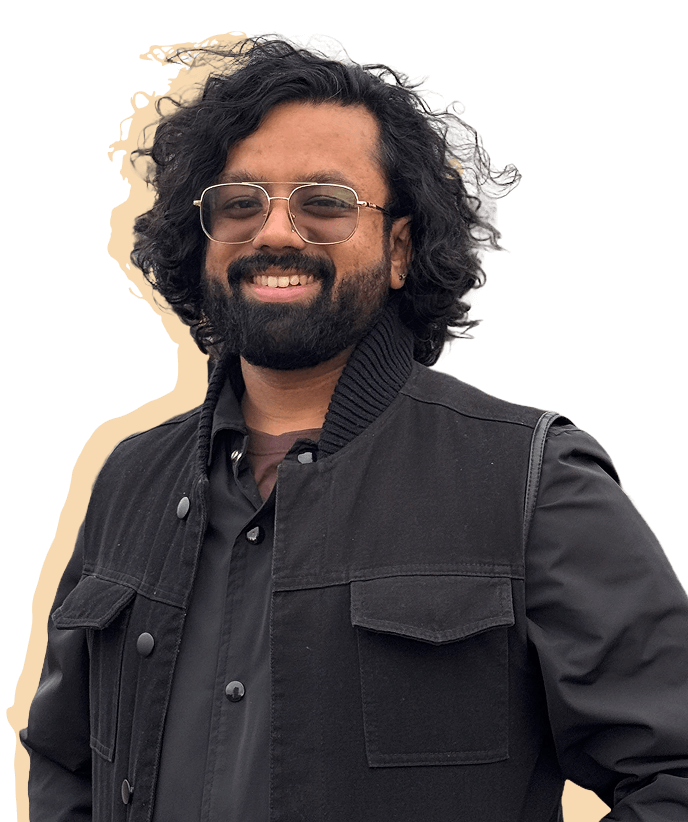
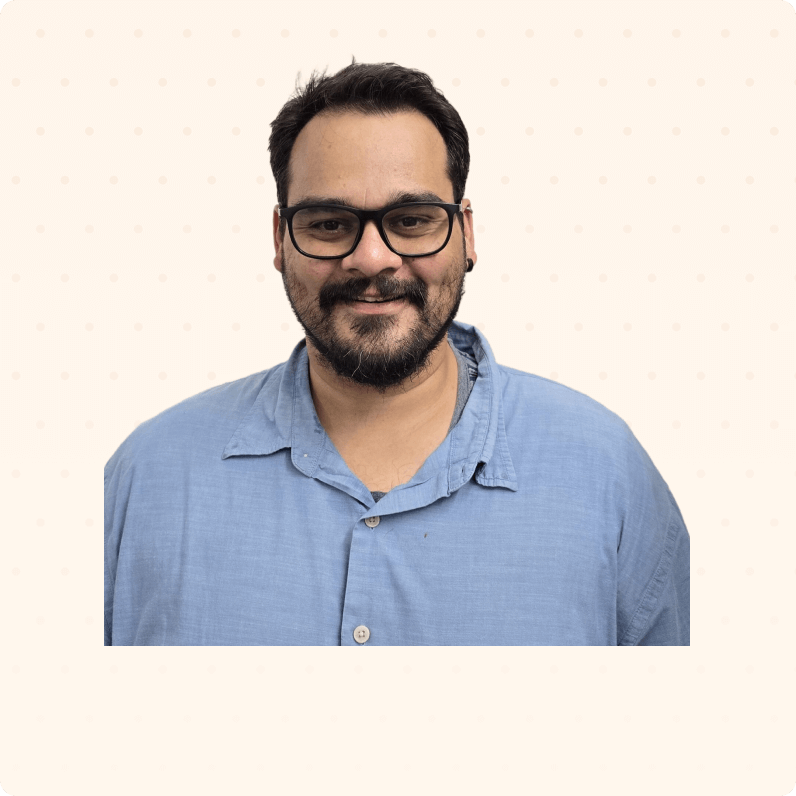
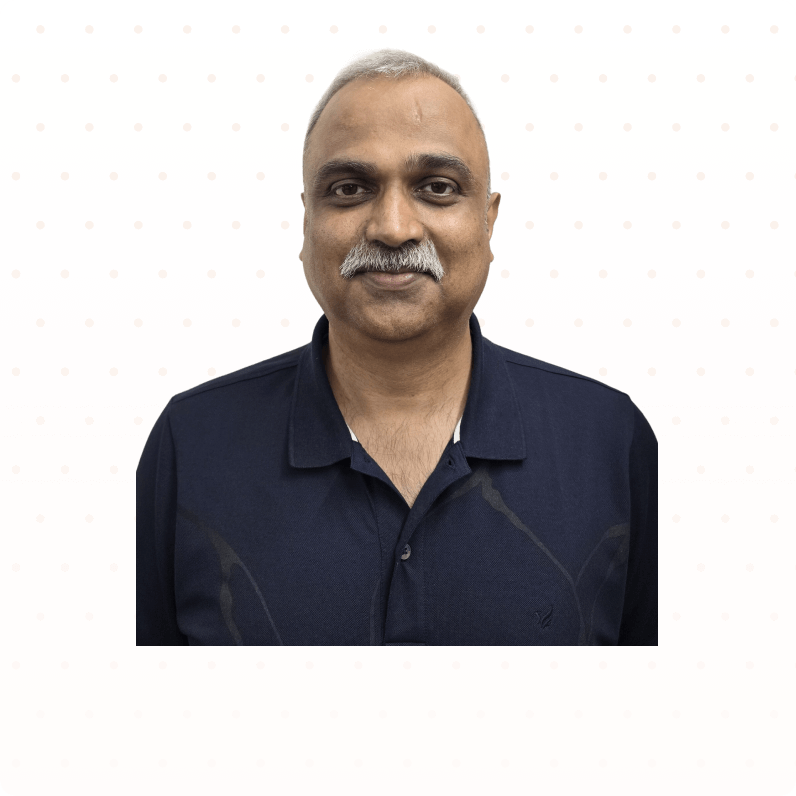
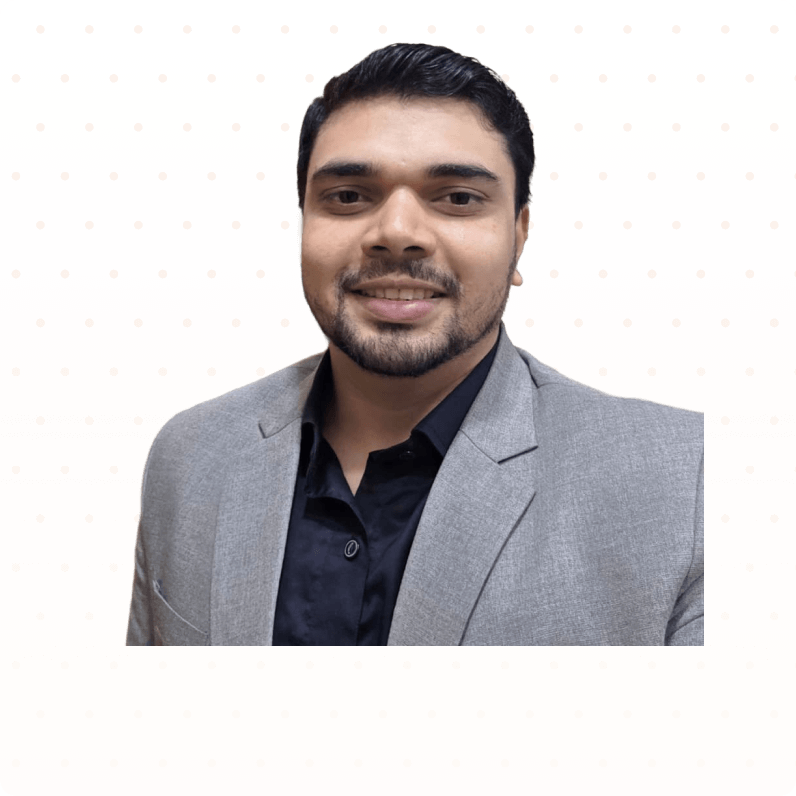
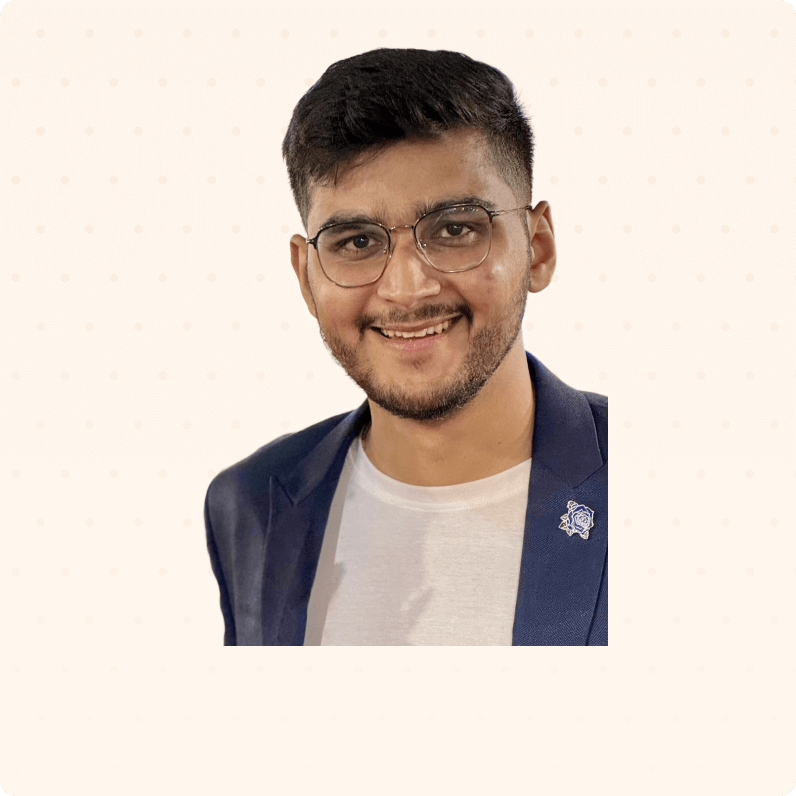
Kubo Care was founded by Anurag Ram Chandran and Ayush Agrawal, who turned personal experiences in senior care into a mission to build a tech-first solution using AI and ambient sensing to deliver safety, reliability, and continuity in a way that feels seamless and respectful.
Ayush Agrawal & Anurag Ram Chandran
Our Team

FAQs
Why fall detection? What other things do you detect?
Falls are one of the leading causes of injury, hospitalization, and liability in senior care - 1 in 4 seniors experience a fall every year. Our system not only detects falls in real time but also provides nuanced fall detection to reduce false alarms. We are also actively working on fall prediction and prevention, helping caregivers intervene before incidents occur. Beyond falls, Kubo Care tracks vital signs like heart rate and respiratory rate, sleep patterns (REM, deep, light), time in and out of bed, tossing and turning, nighttime movement, and environmental factors such as light, temperature, humidity, and air quality.
What kind of assistance do you provide? How do you ensure emergency care is delivered on time?
Kubo Care provides two-way communication via an inbuilt mic and speaker to immediately connect residents with caregivers when an alert is triggered. Our system integrates seamlessly with care staff workflows, ensuring alerts reach the right people instantly. In senior living facilities, this means the nearest staff member can respond without delay, while at-home users can connect families or care providers through the app so emergencies are never missed.
Looking ahead, we are building partnerships with ambulance and emergency care providers, so that help can be dispatched to the doorstep within minutes of detection. Beyond response, Kubo Care is advancing toward prediction and prevention, using data-driven insights to identify risk and intervene before emergencies occur.
Will your device pick up multiple people in one house?
Yes, our radar-based sensors can detect multiple people in a house. We are actively working on distinguishing between individuals to provide even more precise insights. That said, our primary use case is in senior living facilities or homes where seniors live alone, which ensures accurate monitoring and clear detection of events. For shared environments, we recommend one device per resident zone to maintain reliability.
What happens when there is a power outage / internet outage?
At present, the device requires both external power and internet to function. If either goes down, monitoring is temporarily interrupted. We are already working on next-generation versions that will include built-in 5G SIM slots for independent connectivity and UPS backup batteries to keep the system running during power cuts. These upgrades will ensure uninterrupted monitoring and emergency response even in the event of outages.
Are there any health risks associated with radar-based monitoring?
Radar-based monitoring is considered safe when operated within applicable radio-frequency exposure limits. Kubo Care devices use low-power millimeter-wave radar and are designed to comply with relevant safety and emissions standards.
The radar uses non-ionizing radio-frequency energy and operates at very low power compared with many commonly used wireless devices. Unlike ionizing radiation such as X-rays, it does not carry enough energy to damage DNA.
Similar radar technology is widely used in motion detectors, automotive safety systems, and other sensing applications. When installed and used as directed, it provides a safe and reliable method for continuous, non-contact monitoring of activity and vital-sign patterns—without cameras, wearables, or physical contact.